Truly one of the best meals I had during my visit to Hakone. Great price for a delicious filling meal. If you love soups, noodles, dim sum, or Chinese food in general this is 100% worth it.
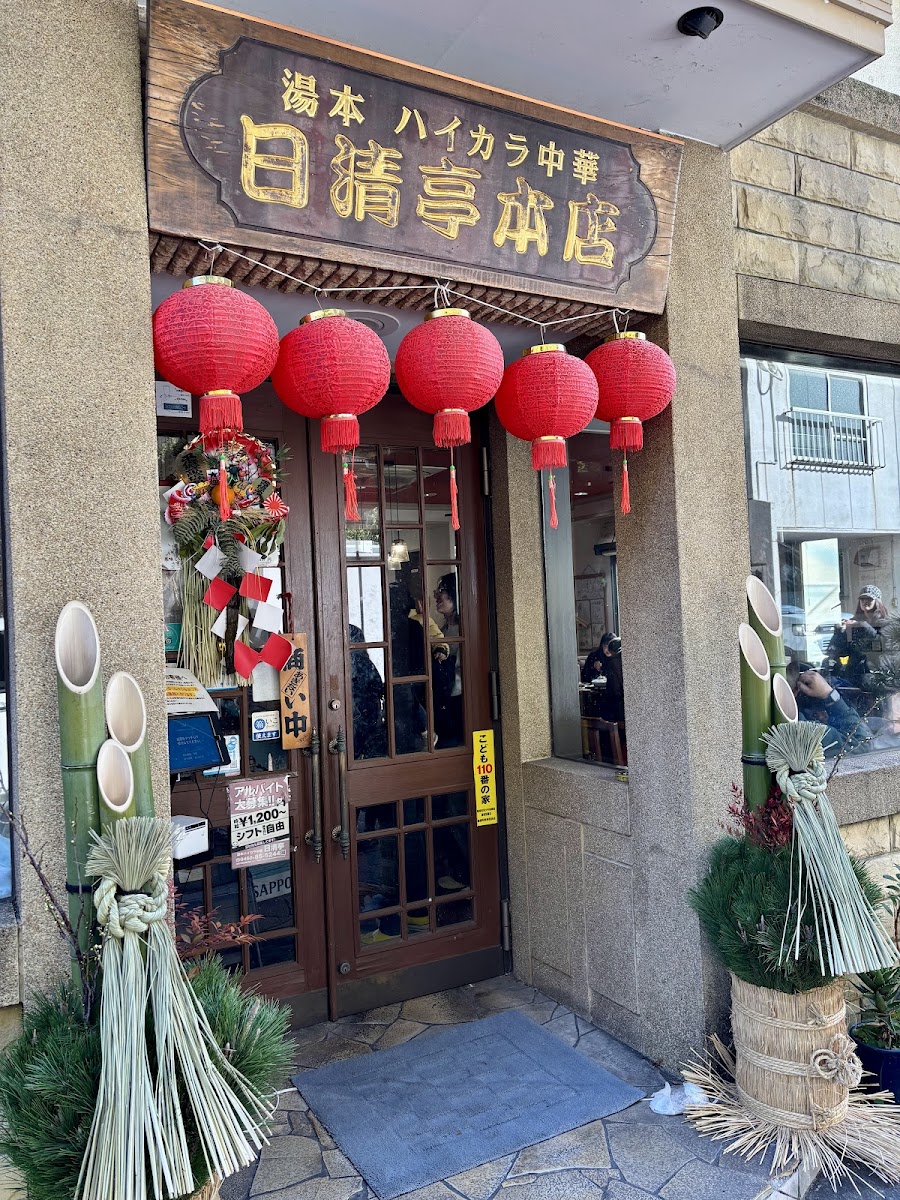
Overview
I first stumbled into Haikara Chinese Nisshintei on a misty afternoon in Hakone, the kind of day when the mountain air makes you crave something warm and grounding. Tucked along the road at 703 Yumoto, Hakone, Ashigarashimo District, Kanagawa 250-0311, Japan, the diner feels like it belongs to another era, yet it fits perfectly into the rhythm of modern Hakone. Locals drift in without hesitation, travelers pause to read the menu posted outside, and within minutes you understand why this place has built such a steady reputation.
The style here is often described as Showa-era comfort, and that description makes sense the moment you sit down. The menu leans into classic Japanese-Chinese dishes rather than trend-driven plates. Think ramen with a clear soy-based broth, fried rice with just the right balance of oil and egg, and gyoza that arrive sizzling and aromatic. During one visit, I watched a cook ladle broth that had clearly been simmering for hours, a process rooted in the traditional Chinese cooking methods adapted in Japan since the early 20th century. According to the Japan Food Service Association, ramen shops that rely on long-simmered broths tend to prioritize consistency over flash, and that approach shows here.
What stands out most is how familiar everything feels without being boring. I ordered the chashu ramen, a choice backed by several glowing reviews pinned near the counter. The pork was tender but not overly sweet, sliced thick enough to feel generous. The noodles had that slight resistance chefs call al dente bite, a texture often highlighted by culinary researchers from institutions like the Tokyo University of Agriculture as essential for noodle-based dishes. Watching regulars customize their bowls with vinegar or chili oil showed how flexible the base flavors are, a sign of thoughtful kitchen planning.
Service follows the same philosophy as the food. It’s efficient, friendly, and unpretentious. No long explanations, no upselling, just an assumption that the food will speak for itself. That confidence usually comes from years of repetition and feedback, and you can feel it in the way orders are called and plates are delivered. One local I spoke with mentioned he has been eating here since childhood, which quietly reinforces the diner’s credibility more than any sign or slogan could.
The location also plays a role in the experience. Being so close to Hakone-Yumoto Station makes it a natural stop for hikers and onsen visitors. After a long walk or a soak, the salty warmth of the dishes hits differently. Reviews often mention how satisfying the portions are, and from personal experience, they’re right. You leave comfortably full, not weighed down, which is ideal if you still have sightseeing ahead.
It’s worth noting that the menu doesn’t change much, and that might feel limiting to diners chasing novelty. Still, that consistency is intentional. Food historians from organizations like the Michelin Guide Japan often point out that longevity in casual dining comes from refining a narrow focus rather than expanding endlessly. This place seems to live by that rule.
Prices remain reasonable, especially for the area, and portions reflect a diner that values repeat visits over one-time splurges. While I can’t speak for every dish, the staples deliver exactly what they promise. If you’re looking for experimental fusion or Instagram theatrics, this may not be your stop. But if you want honest flavors, a welcoming room, and a menu shaped by decades of practice, this diner quietly earns its place among Hakone’s reliable food spots.
Good to know
Service options
✓ Takeaway ✓ Dine-in ✓ DeliveryPopular for
✓ Lunch ✓ Dinner ✓ Solo diningAccessibility
✓ Wheelchair-accessible car park ✓ Wheelchair-accessible entrance ✓ Wheelchair-accessible seating ✓ Wheelchair-accessible toiletOfferings
✓ Alcohol ✓ Beer ✓ Quick bite ✓ Small platesDining options
✓ Brunch ✓ Lunch ✓ Dinner ✓ Dessert ✓ Seating ✓ Table serviceAmenities
✓ ToiletAtmosphere
✓ Casual ✓ CosyCrowd
✓ Groups ✓ TouristsPlanning
✓ Accepts reservationsPayments
✓ PayPay ✓ Rakuten PayChildren
✓ Good for kids ✓ High chairsParking
✓ Free parking lot ✓ Paid parking lot ✓ ParkingPhotos
1 / 4
Location
Reviews
- No ratings yet 1007 reviews
ChineseXJapanese food fusion restaurant. Amazing food! And it was also my last meal before the end of my trip. It was SO GOOD! Hand made noodles as well! I will most definitely come back in my next visit :). Lots of seating they have a upstairs as well which was perfect for a group of 7! This restaurant and the town too Hakone was one of my highlights of my trip i will never forget!
An incredible restaurant tucked away in a secondary street, don't miss this one! The portions are very abundant and the prices are super low, everything is handmade, included their special spicy sauce (which you can buy). I wish i was still in Hakone to try their food again!
Haikara Chinese Restaurant exceeded my expectations with its surprisingly delicious food. We arrived at 5 PM, finding that many nearby places closed early, but it turned out to be a great choice. While the restaurant’s appearance may not be the most impressive, every dish we ordered was excellent. Plus, the prices are reasonable, making it a fantastic value for a satisfying meal. Highly recommended!
For 1000 yen I had the most refreshing char-siew noodles that I've had the pleasure to eat in awhile. 5 thick cut char siew pieces, springy noodles, clear delicious broth that does not overpower. Staff is very nice too, and the atmosphere is very calming. Definitely bang for the buck, will return for other items on the menu.
It was a cold evening in December, and many stores have closed. But we were greeted by their warm and friendly staff. They serve Chinese-Japanese fusion cuisine, which was delicious. Highly recommend this place, and we will definitely come back again. Thank you for the food! :)
Super yummy Chinese style, Japanese ramen! I love how the wok-hey is incorporated into the ramen. And the load of veg on it makes me feel so much healthier and satisfied! The fried wontons were perfectly seasoned, and Sesame balls were so delicious! The steamed dumplings were surprisingly good, reminded me of the dumplings my late grandma would use to make. But it would be good if it were most seasoned. Would come back again if I were to ever visit Hakone again!
The wonton noodles were wety tasty and all the extras were special.